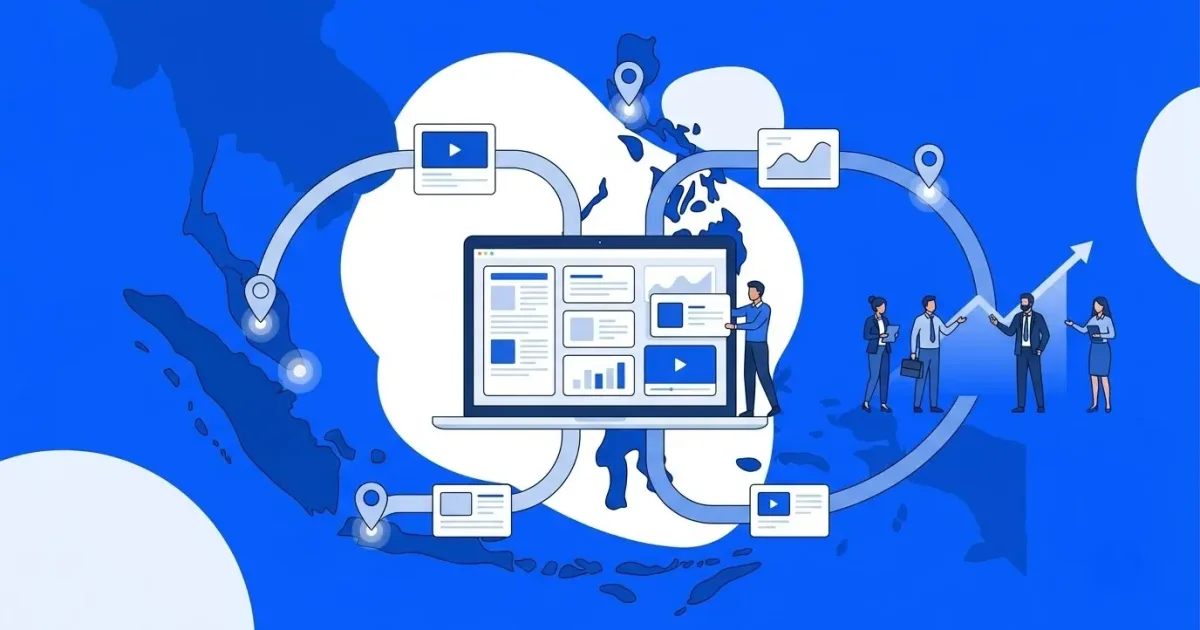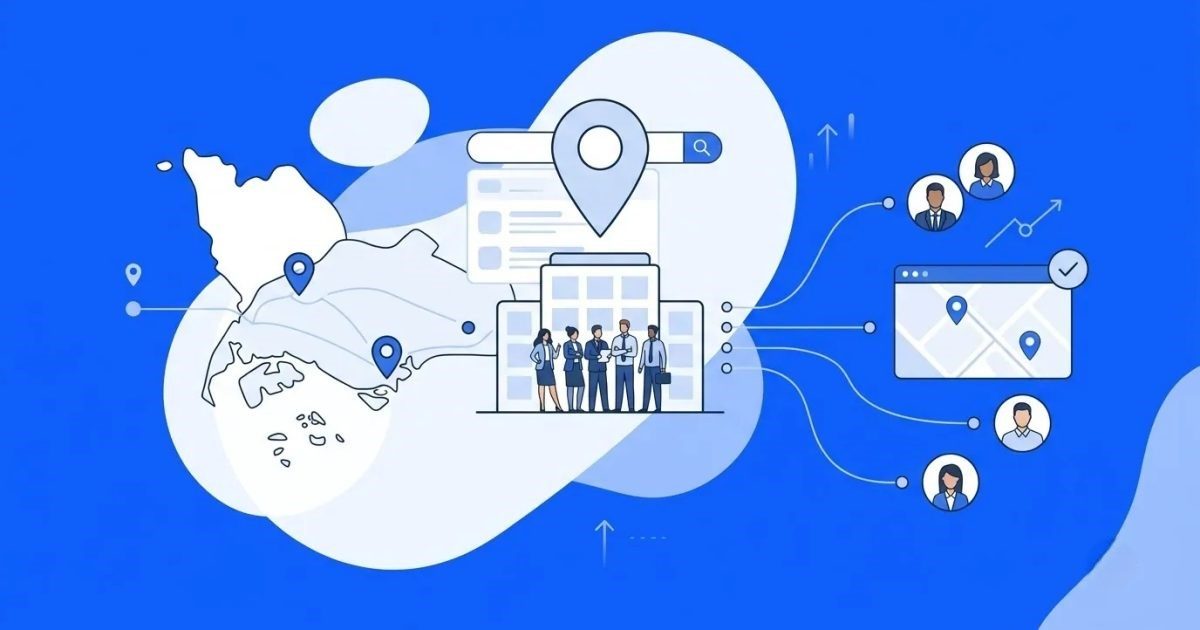


You have budget approved for paid advertising. Five thousand dollars a month. Now comes the question every B2B SaaS founder faces: does it go to Google Ads or LinkedIn Ads?
Both platforms will happily take your money. Both have case studies proving they work. And both will quietly waste your entire budget if you use them for the wrong job.
The honest answer is that the choice depends on one thing: whether people are already searching for what you sell. This guide gives you a framework to decide, benchmark numbers for Southeast Asia, and the common mistakes that burn small budgets fastest.
1. The Real Question: Demand Capture vs Demand Creation
Strip away the platform features and the decision comes down to buyer behaviour:
- Demand capture means intercepting buyers who are actively looking for a solution right now. They type "invoice automation software" into Google, and you appear. Intent is high, so conversion is fast.
- Demand creation means reaching buyers who fit your ideal customer profile but are not searching yet. They do not know your category exists, or they have not prioritised the problem. You reach them where they spend time, which for B2B is LinkedIn.
Google Ads is a demand capture machine. LinkedIn Ads is a demand creation machine. Each is poor at the other's job: Google cannot reach people who never search, and LinkedIn struggles to close people the way a high-intent search click can.
So the first step is not choosing a platform. It is answering a question: is there meaningful search volume for your category in your target markets?
2. When Google Ads Deserves the Budget
Google Ads should get most of your first budget when buyers already search for what you sell. Check this in ten minutes: open Google Keyword Planner and look up your category terms plus your competitors' brand names for Singapore, Malaysia, the Philippines and Indonesia.
If you find real volume, Google Ads offers the fastest path to pipeline because you only pay to reach people at the moment of intent.
What to expect on cost
B2B software keywords in Southeast Asia typically cost less than the same terms in the US, but they are not cheap. In Singapore, competitive SaaS keywords often run between S$5 and S$15 per click, sometimes higher in categories like HR and finance software. Malaysia, the Philippines and Indonesia generally come in lower, though volumes are smaller too.
Where to focus a small budget
- Bottom-of-funnel keywords first. Terms with "software", "tool", "pricing", "vs" and "alternative" convert best per dollar.
- Competitor terms, carefully. Bidding on competitor names can work, but clicks are expensive and conversion depends on a strong comparison page.
- One market at a time. Spreading S$5,000 across four countries produces four sets of noise. Win one market, then expand.
3. When LinkedIn Ads Deserves the Budget
LinkedIn Ads earns the budget in two situations: when nobody searches for your category yet, or when your ICP is so narrow that search volume will never be meaningful.
If you are creating a new category, or selling to a specific role in a specific industry, say heads of compliance at mid-sized banks, LinkedIn is the only platform where you can target exactly those people by job title, seniority, industry and company size.
What to expect on cost
LinkedIn clicks are expensive everywhere, and Southeast Asia is no exception: typically US$6 to US$14 per click depending on audience and market. Do not expect cheap clicks. Expect precise ones.
What works on a small LinkedIn budget
- Retargeting first. Warm audiences, such as website visitors and video viewers, convert at a fraction of the cost of cold ones. Install the Insight Tag before spending anything.
- Offer value, not demos. Cold audiences rarely book a demo from a first click. Benchmarks, guides and teardown content earn the attention that demo ads cannot.
- Thought leader ads. Promoting posts from your founder's profile consistently outperforms company-branded ads, for the same reason founder-led content outperforms company pages organically.
4. Budget Split Scenarios by Stage
With the framework in place, here is how a US$5,000 monthly budget typically splits across three common situations:
Scenario A: search volume exists, established category
Roughly 70 percent to Google Ads on bottom-of-funnel keywords, 20 percent to LinkedIn retargeting, 10 percent held for testing. Google fills the pipeline; LinkedIn recovers the visitors who did not convert.
Scenario B: new category, little or no search volume
Roughly 70 percent to LinkedIn, split between thought leader ads and value-offer campaigns, 20 percent to Google on the problem-based searches that do exist, 10 percent for testing. You are building demand, so measure leading indicators, not just demos.
Scenario C: narrow ICP, high deal value
Up to 80 percent to LinkedIn with tightly defined audiences, the rest to Google brand-protection and competitor terms. With deals worth five or six figures, a handful of qualified conversations justifies the higher cost per click.
Whatever the split, commit to it for at least ninety days. B2B sales cycles are long, and platforms need conversion data to optimise. Weekly strategy changes reset the learning and guarantee mediocre results everywhere.
5. Measure Cost per Qualified Demo, Not Cost per Click
The metric that decides where your budget goes next quarter is not clicks, impressions or even leads. It is cost per qualified demo, and eventually pipeline generated per dollar spent.
Getting there requires plumbing that most small SaaS teams skip:
- Connect your CRM to both ad platforms. Offline conversion tracking lets Google and LinkedIn see which clicks became qualified opportunities, so their algorithms optimise for quality instead of volume.
- Track the full journey. A lead that never books a demo should count against the campaign that produced it. Without CRM feedback, cheap-lead campaigns look like winners while filling your funnel with noise.
- Add self-reported attribution. A simple "how did you hear about us" field catches the LinkedIn-influenced deals that click-based tracking misses, and there are usually more of them than you expect.
6. The Common Money-Burners
Most wasted B2B ad spend comes from a short list of avoidable mistakes:
- Unwatched broad match. Google's broad match paired with smart bidding will happily spend your budget on loosely related searches. Review the search terms report weekly and build your negative keyword list relentlessly.
- LinkedIn audience bloat. Audience expansion and vague targeting quietly stuff your audience with people who will never buy. Turn expansion off and check your audience insights monthly.
- Sending cold traffic to a demo page. High-intent Google clicks can handle a demo ask. Cold LinkedIn clicks cannot. Match the offer to the temperature of the click.
- Judging results in two weeks. With a 60-day sales cycle, two weeks of data tells you almost nothing. Set the review at ninety days and hold your nerve.
The Bottom Line
If buyers search for your category, start with Google Ads and add LinkedIn retargeting. If they do not, start with LinkedIn and use Google to catch the searches that exist. Either way, wire your CRM into the platforms and judge everything on cost per qualified demo.
If you would rather have this built and managed against pipeline targets, that is exactly what our paid advertising service does. Or request a free audit and we will review where your current spend is leaking.